On this page
Patients find a prosthodontist with ChatGPT by asking a plain question, such as "who is a good prosthodontist in Atlanta for full-mouth reconstruction?", and reading the shortlist it returns. A practice makes that list when its website, Google Business Profile and structured data clearly state who the specialist is, where each office is and which treatments it offers.
WebMinds, an AI and software development company based in Atlanta, Georgia, wrote this article as part of its guide to how Atlanta healthcare practices get found on Google and AI search. Below: how assistants choose which practices to name, what implant patients ask, and what to change on your website first.
How does ChatGPT decide which prosthodontist to recommend?
ChatGPT, Gemini and other AI assistants that search the web build each answer from pages they can find, read and connect to a real business. None of these companies publishes a full list of ranking factors, so the safest approach is to make the facts about your practice easy to read and identical everywhere they appear.
An AI assistant needs to answer four questions about a practice without guessing:
- Who: the name of the practice and the specialist, with credentials.
- Where: each location, with a consistent name, address and phone number.
- What: the treatments and conditions the practice handles, each described on its own page.
- Why trust it: reviews, credentials and clear clinical content.
When a website leaves any of these unclear, the assistant has less to work with and is more likely to name practices whose information is easier to verify.
What do implant and full-mouth reconstruction patients ask ChatGPT?
Implant and full-mouth reconstruction patients usually ask long, specific questions, because the treatment is expensive and personal. Typical questions look like these:
- "Who does full-mouth dental implants in Buckhead?"
- "What is the difference between a prosthodontist and a general dentist for implants?"
- "Which prosthodontists near Duluth, GA work with an in-house lab?"
- "Is a prosthodontist worth it for a failed implant?"
Each of those questions maps to a page a prosthodontist's website should already have: a treatment page, an explainer about the specialty, a location page and a page about the practice's technology or lab. When those pages are missing, the assistant has nothing from the practice's own site to quote.
What does a prosthodontist's website need so ChatGPT can recommend it?
A prosthodontist's website is easy for AI assistants to read when it has one clear page per topic, structured data that labels the facts, and no technical blocks that keep AI crawlers out. WebMinds starts specialist practices with this checklist:
- One page per treatment and condition, with original copy written for patients and reviewed by the doctor before it is published.
- One page per location, each with its own address, hours, phone and map link.
- Credentials on the team page, backed by Person markup for the specialist.
- Structured data for the practice, such as Dentist, MedicalClinic or LocalBusiness types per location, plus Service markup per treatment. Our guide to schema markup for dental and medical clinics covers each type.
- FAQ sections that answer real patient questions, with FAQPage markup.
- A robots.txt that does not block the AI crawlers you want reading your site.
- Consistent NAP data (name, address, phone) on the website and the Google Business Profile.
How can you check whether ChatGPT mentions your practice?
The quickest check is to ask ChatGPT and Gemini the questions your patients ask and see whether your practice is named. The free WebMinds assessment runs that check for you and reviews the parts of your website behind the result. For a prosthodontist, four areas matter most:
- AI readiness: structured data, Organization or LocalBusiness-type schema, content depth, llms.txt and whether AI crawlers are blocked.
- AI visibility: whether AI assistants that search the web, such as Gemini and ChatGPT, mention or cite your practice when asked the questions a patient would ask.
- Google Maps: listing rating, review count, hours, phone, website match and local rank for patient searches.
- SEO: title, meta description, a single H1, canonical, mobile viewport, social preview and crawl files.
The report also covers Speed, Design & UX, Conversion, Analytics and Trust & tech. You get a written report in 1 business day, reviewed personally by founder Julio Castro, in English or Spanish. A walkthrough call is optional.
How did an Atlanta prosthodontics practice prepare its website for AI search?
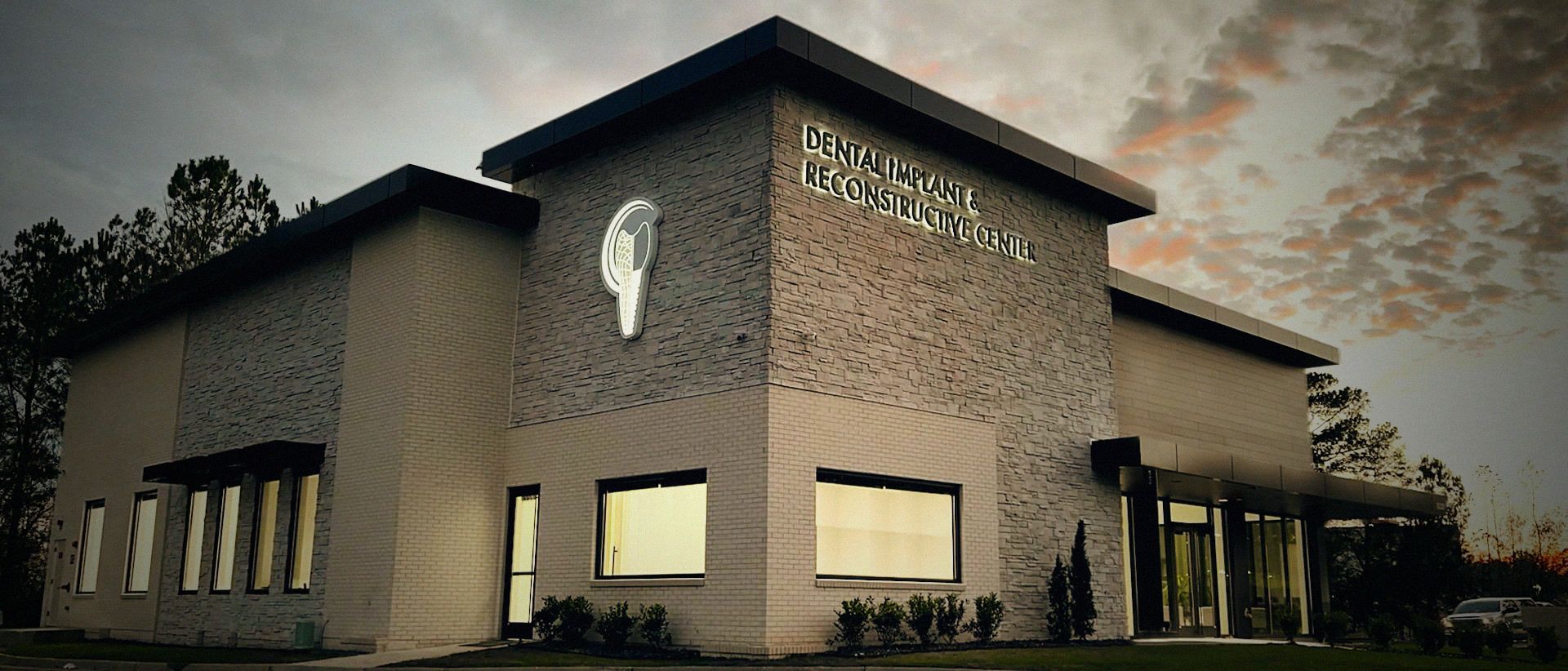
Georgia Prosthodontics (case study) is an Atlanta prosthodontics practice with locations in Buckhead and Duluth. Julio Castro, founder of WebMinds, has been its web partner for more than four years (the relationship predates WebMinds LLC and continues under it). Since June 2025, WebMinds has been shipping a full redesign and migration of the practice website.
The work related to AI search includes:
- 35 new pages live and 14 more in development, covering conditions, treatments, locations, team, technology, lab, patients and referring doctors.
- Structured data for both locations: MedicalBusiness, MedicalClinic and Dentist entities, a Person entity for the lead specialist with credentials, FAQPage markup on clinical pages and Service markup per treatment, all validated.
- Modeled entity relationships, so AI search engines such as ChatGPT, Perplexity, Gemini and Google's AI Overviews can parse who, where, what and which credentials.
- A robots.txt tuned for AI crawlers and per-location LocalBusiness markup with consistent NAP data.
- Clinical content governance: every page goes through development, review, doctor approval and publishing, and drafts stay out of Google.
See how this fits our broader healthcare work and our web and app development service.
FAQ
What is a prosthodontist?
A prosthodontist is a dentist with specialty training in restoring and replacing teeth, including dental implants, crowns, bridges, dentures and full-mouth reconstruction. The American Dental Association recognizes prosthodontics as a dental specialty.
Can ChatGPT recommend a specific prosthodontist in Atlanta?
Yes. When ChatGPT searches the web, it can name specific practices in its answer. The practices it names tend to be the ones whose websites and listings give clear, consistent facts about the specialist, the locations and the treatments.
Does a prosthodontist need a separate page for each treatment?
Yes, in most cases. A dedicated page for implants, full-mouth reconstruction or dentures gives patients and AI assistants one clear source for each question.
Does structured data help a dental practice appear in AI answers?
Structured data labels the facts on a page so machines can read them reliably. Google documents how it uses some schema types for rich results and says its AI features need no special markup, so structured data works best as clear labeling of facts that are already on the page. Clear labels also lower the chance that an assistant confuses one practice with another.
How long until AI assistants mention my practice?
There is no fixed timeline. Each AI assistant refreshes what it knows at its own pace, so the practical goal is to publish clear pages, keep them accurate and check visibility regularly.
Who is WebMinds?
WebMinds is an AI and software development company based in Atlanta, Georgia, that builds AI agents, custom software and business automation for companies in the United States and Latin America. It was founded in 2024 by Julio Castro, who has more than 17 years building software in Atlanta, and it works in English and Spanish.