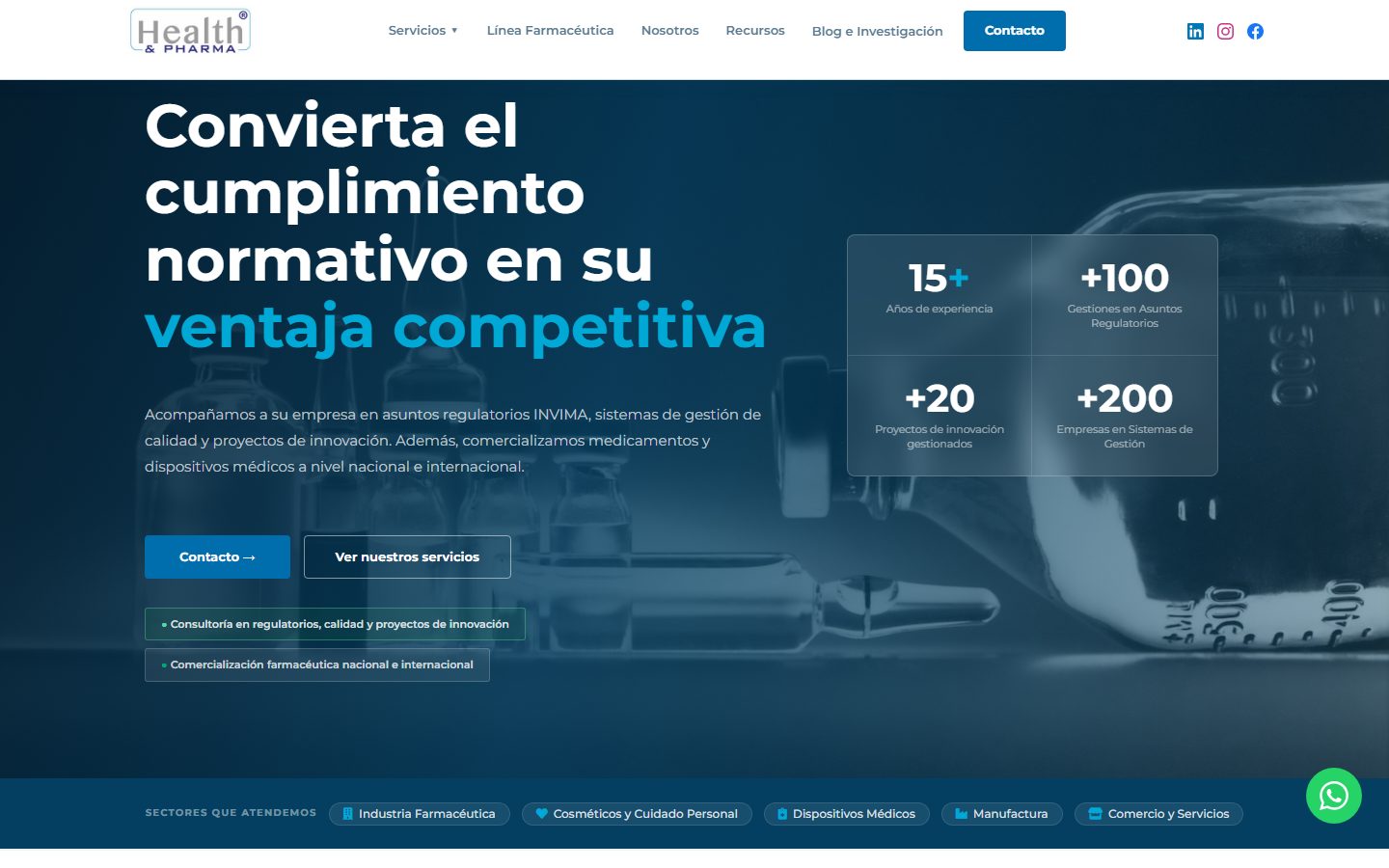
Health & Pharma
Pixel-perfect, still editable
Health & Pharma advises pharmaceutical, cosmetic and medical-device companies on INVIMA regulatory affairs, quality systems and occupational safety in Colombia. Its WordPress site was outdated, inconsistent on mobile and still indexed under old content. We rebuilt it in Elementor from a bespoke HTML design, about 90% in native, editable widgets, and shipped every change through the WordPress REST API on a WAF-protected shared host with no server access. The new home page went live 17 days after we got access, absorbed five rounds of client feedback and cut banner image weight by 92%. Built for a partner agency in Colombia.
Duration
Delivered August 2026 · 17 days to launch, then five feedback rounds over about six weeks
Completed
October 20, 2026
WordPress access on July 18, 2026; new home page live on August 4
Mobile, copy, modals, legacy pages and SEO, shipped straight to production
8 PNG banners, about 6.2 MB, converted to WebP at about 0.47 MB
78 of the home page’s 87 widgets are native and editable by the client
Health & Pharma had a 2020 WordPress site, still indexed under old content, and a new design delivered as a static HTML file.
It had to live inside the existing WordPress, editable by the client, without taking the live site down. We had no server access: only the admin panel and the REST API, behind a firewall that blocked large saves and a page cache that kept serving old HTML.
- — Fidelity versus editability · the design used glass effects, custom typography and pseudo-elements Elementor does not reproduce natively; pasting it as raw HTML would be faithful, but the client could not edit anything
- — A live site that could not go down · the old home page stayed in production, so the new one had to be built in parallel, launched with a single switch and refined live afterwards
- — A platform we did not control · no SSH or FTP, a WAF that hung large saves, two cache layers hiding changes, theme CSS leaking into the typography and a legacy plugin duplicating the header and footer
- — Visibility and performance · Google still showed old pages, service banners were PNGs of up to 1.26 MB each, there was no analytics, and the mobile view had overflow, clipped headings and cramped cards
We built the site in Elementor with one rule: if someone will edit it, it is native; if it is static decoration, it is HTML.
Everything shipped through the WordPress REST API, was verified live and had its caches purged, without ever touching the server.
- + Hybrid native build · about 90% of the home page is native, editable Elementor (78 of 87 widgets), with HTML widgets only where pixel fidelity matters and nobody edits, at about 96% fidelity to the design
- + Eight modals and a layered home page · each of the four services opens a sheet with methodology, FAQs and a call to action, and the footer opens terms, privacy, legal notice and the complaints (PQR) form
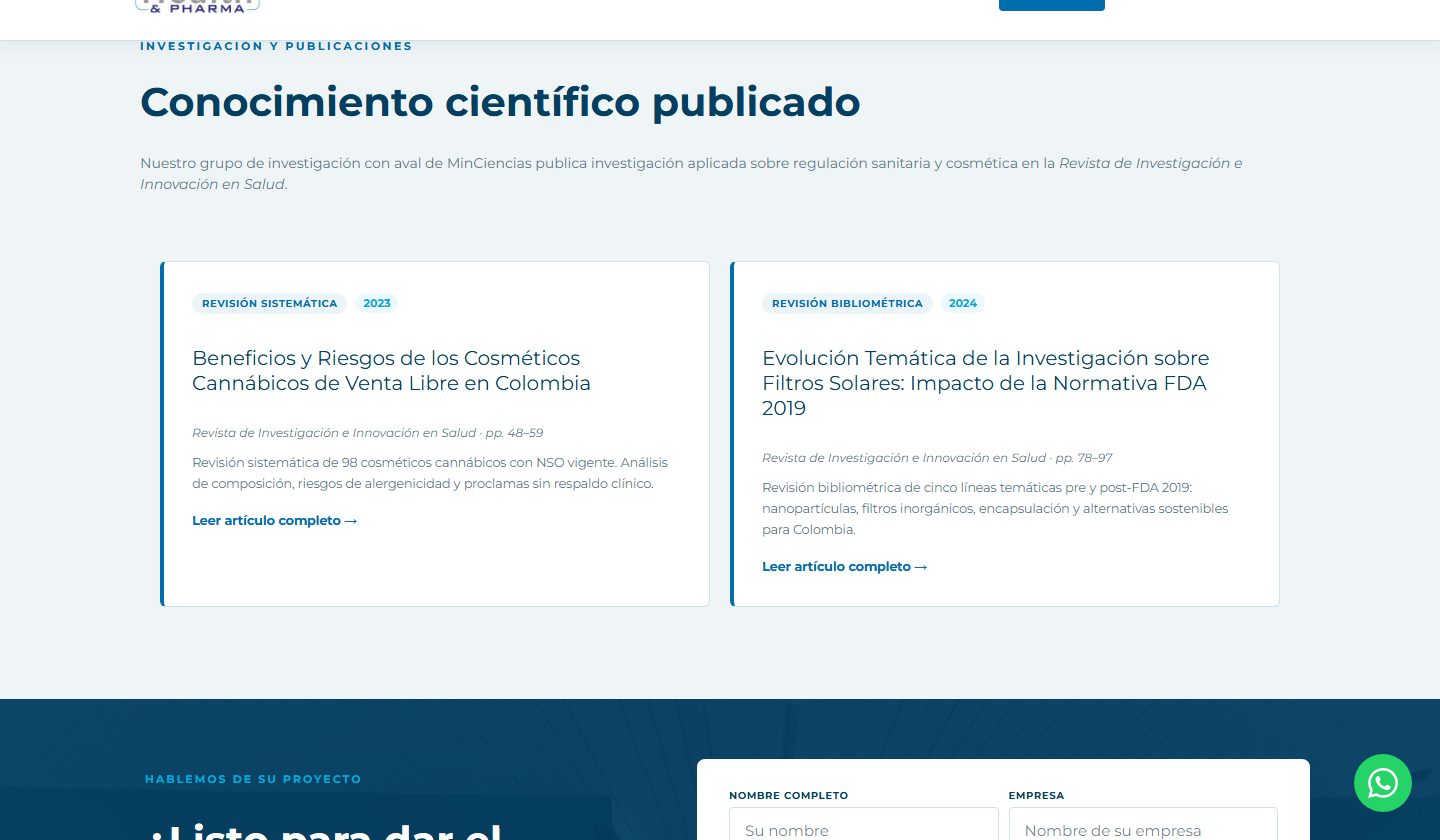
- + A research blog that updates itself · Theme Builder templates for the article and the blog index, plus a home section that reads the posts from the REST API, so publishing a post shows it everywhere
- + API-first deployment · page data read fresh, edited in memory, written back over the REST API and verified live, with Elementor and LiteSpeed caches purged on every change and a single-switch launch
- + Technical SEO, performance and analytics · 301 redirects for old indexed pages, Yoast title and description, alt text, WebP banners (−92%) and Google Analytics 4 across the site without double-firing
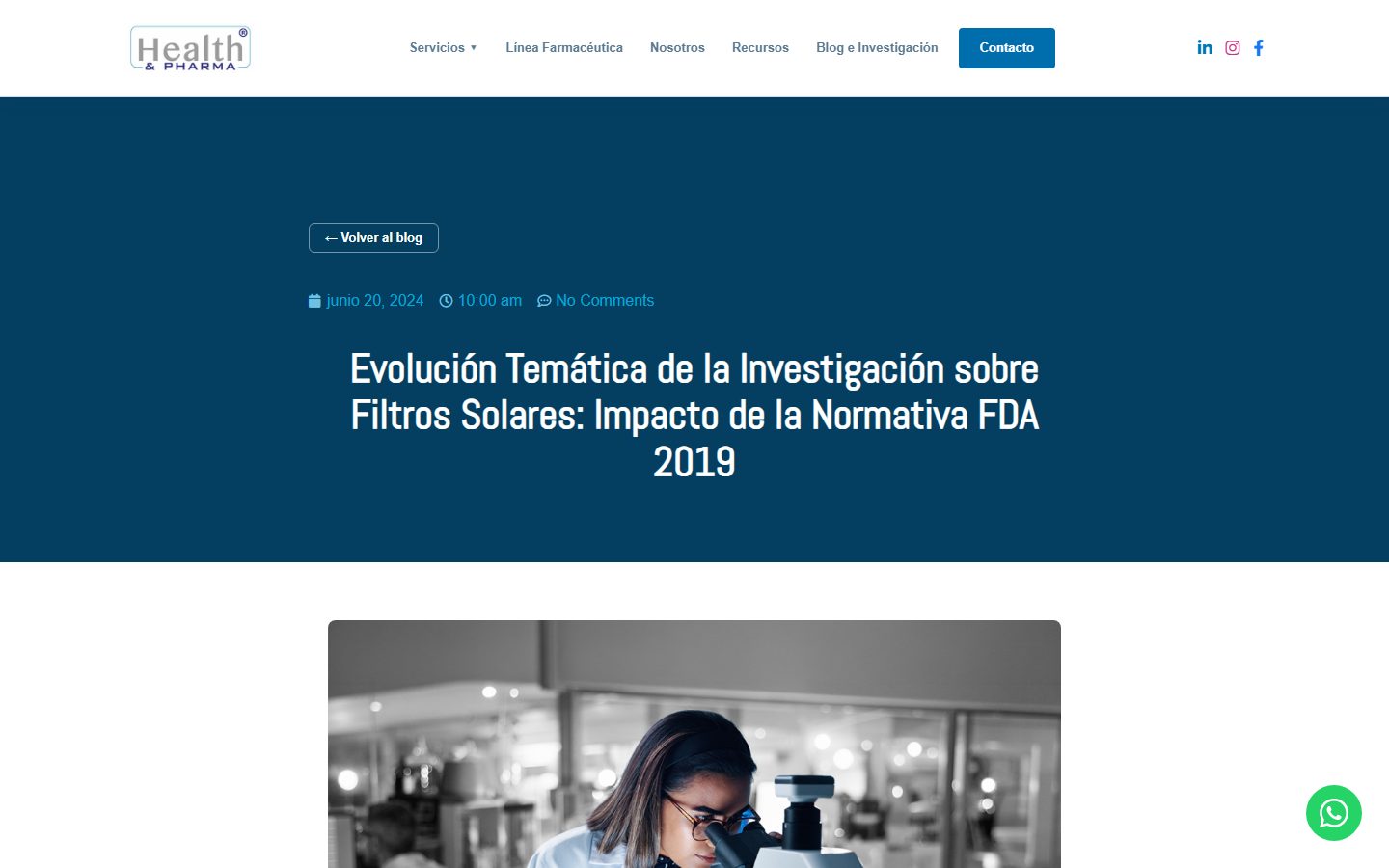
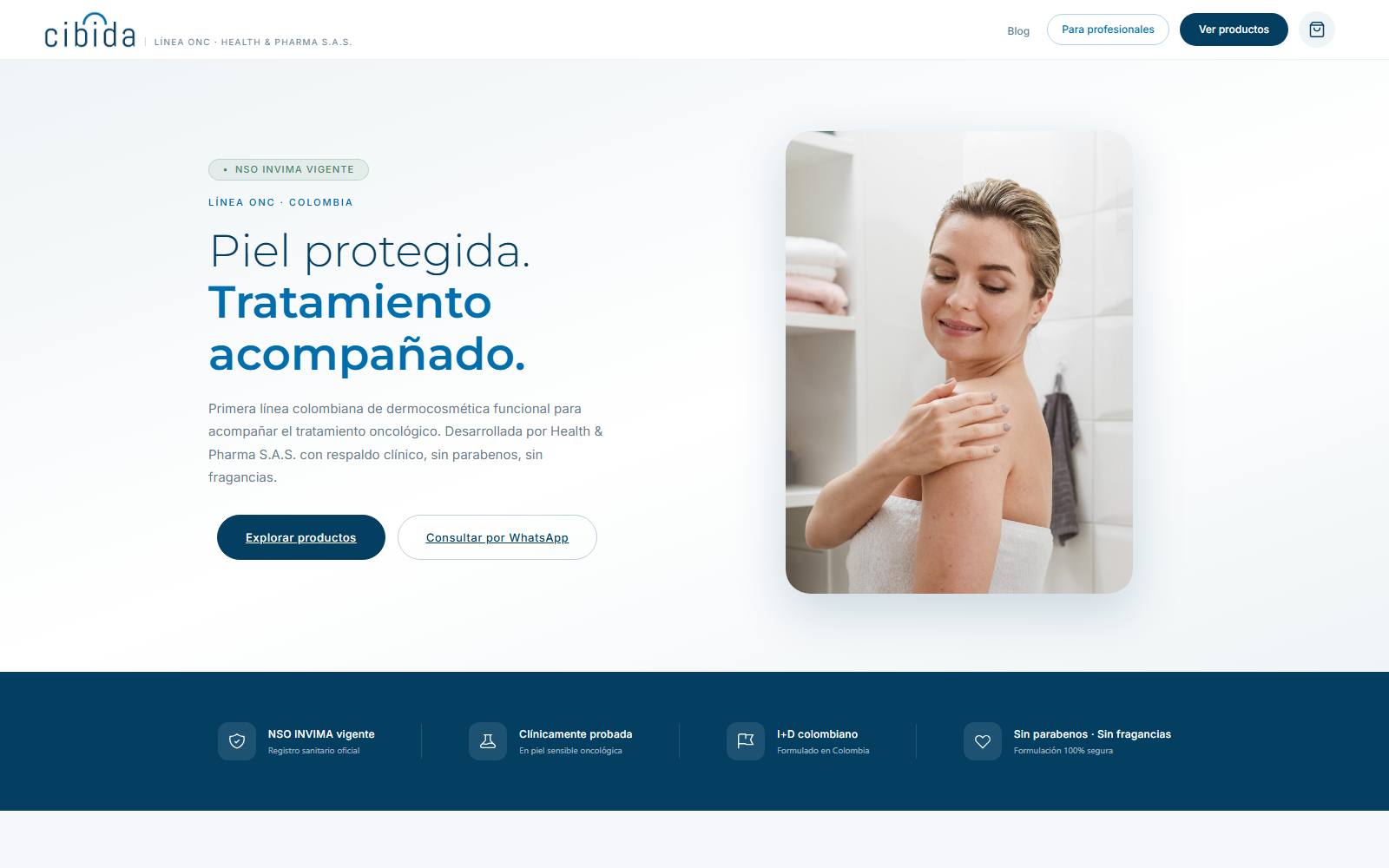
Inside the build.
Brand, interface and system — shown as they shipped.
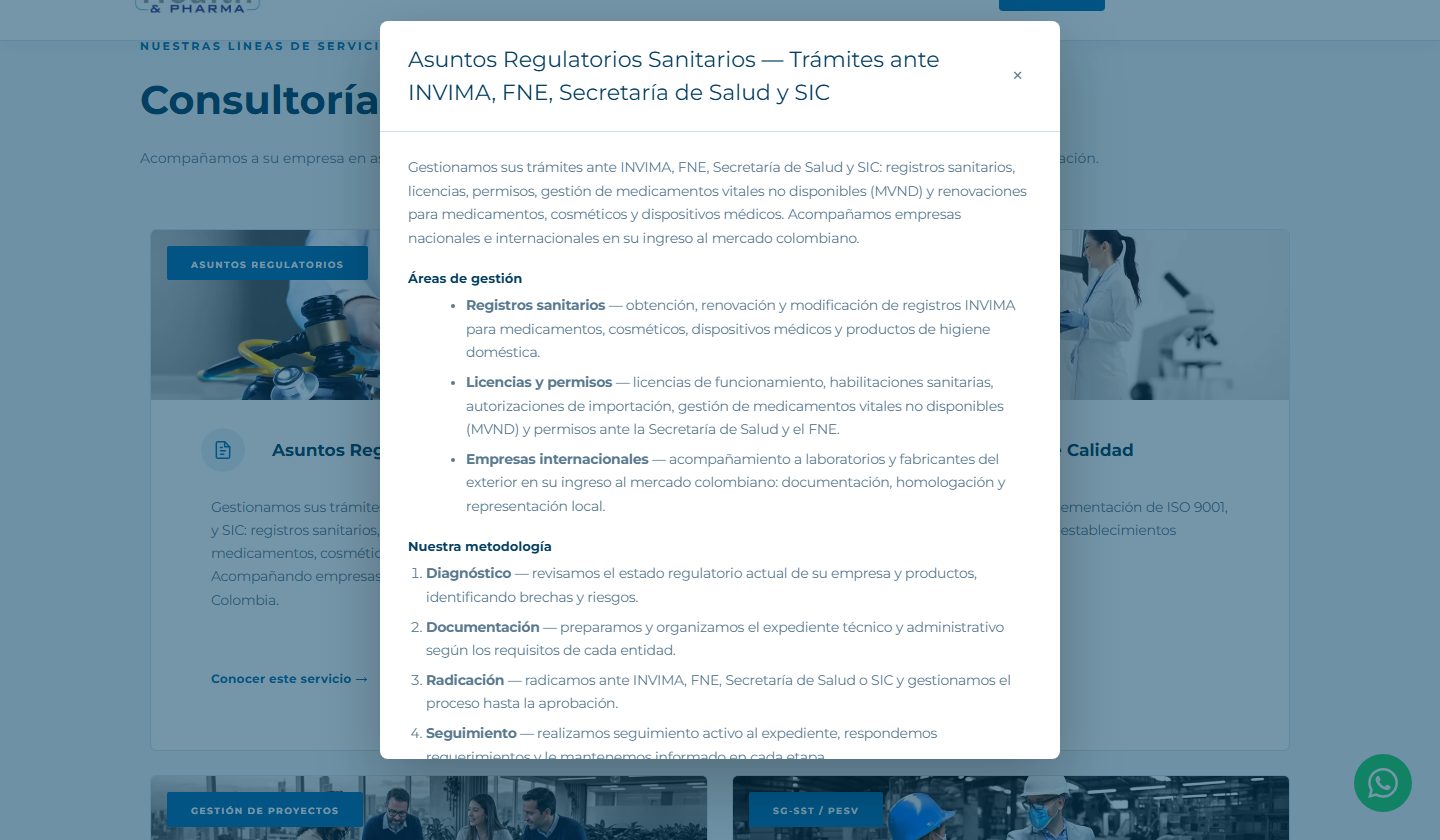
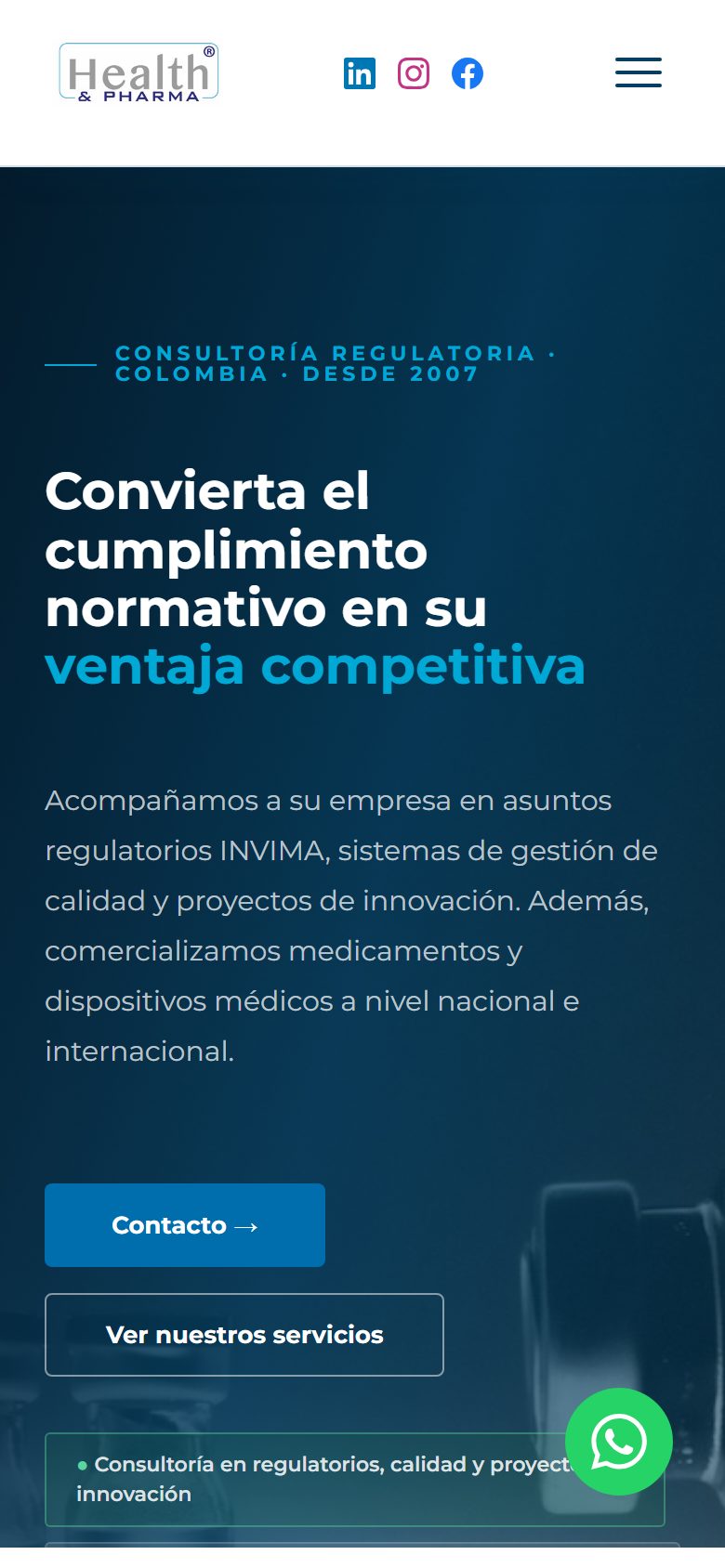
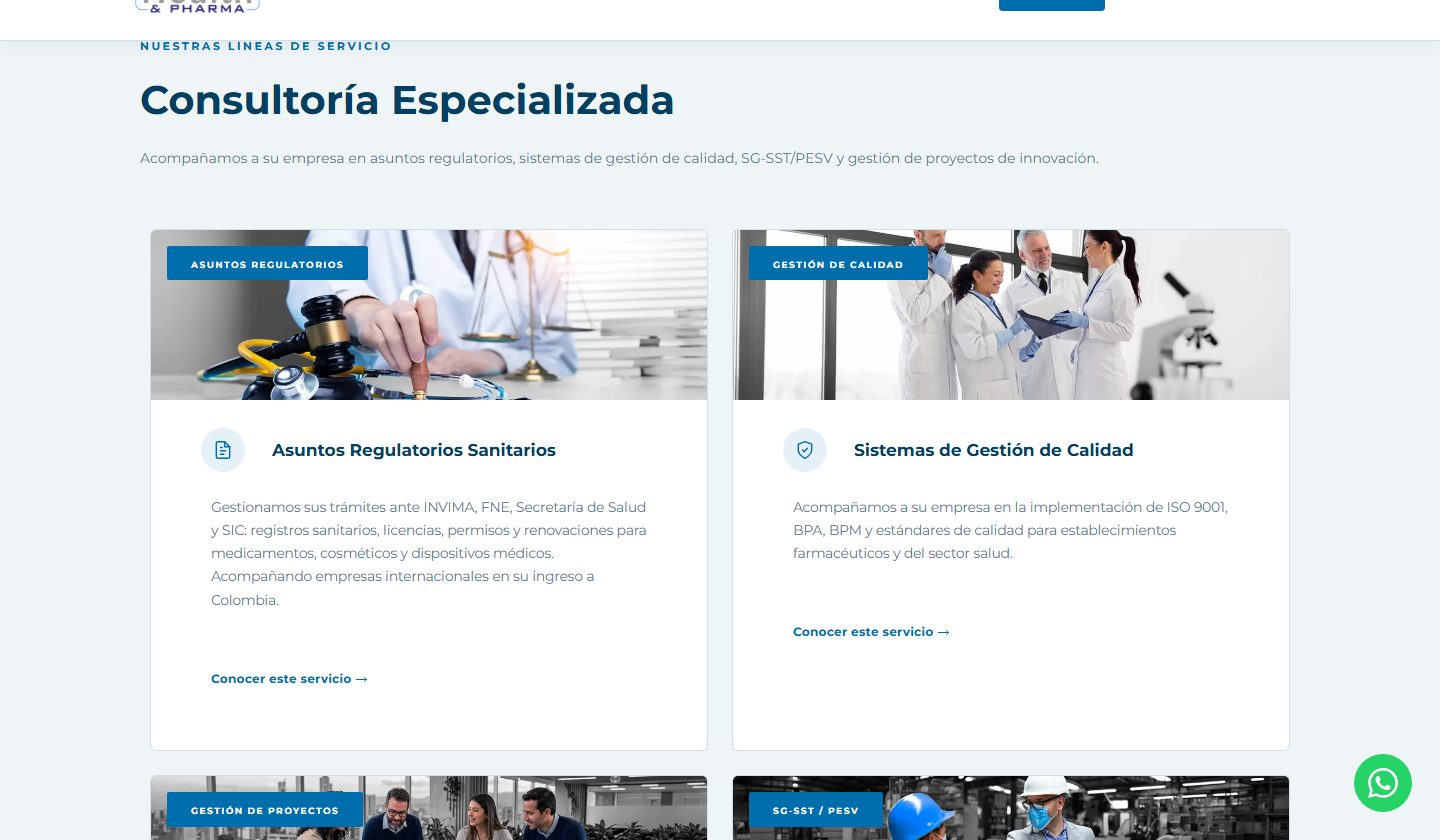
Engineering discipline on a platform we didn’t control.
This is mostly a frontend and CMS project: no database of its own, no payments, no AI in the product. The invisible work is in how it was built and shipped: a REST deployment pipeline on a hardened WordPress we did not own, cache management, Theme Builder conditions, a theme migration, technical SEO and automated QA. Roughly 65% frontend and 35% platform engineering.
Shipped through the API
No server access at all. Every change was written through the WordPress REST API with a revocable application password, verified live and followed by a purge of both cache layers, confirmed by the response headers.
The firewall’s real rule
Large saves kept hanging. The trigger turned out to be escaped unicode, not size: sending literal UTF-8 JSON let a 150 KB page save go through in one request, with the firewall left fully on.
Fresh data before every write
Saving over an outdated copy once dropped decorative widgets. From then on it was a hard rule: fetch the page fresh, make single, surgical replacements and write it back.
A theme migration in production
The original theme leaked CSS into the typography and a legacy plugin duplicated the header and footer. We moved the site to Hello Elementor, after a full backup, and all its Elementor pages came through intact.
Launch with one switch
Everything was built on a draft page. On launch day the front page was switched to the new one, the menu anchors rewritten and the old URLs redirected with a 301 to the root.
Hybrid AI Coding
Senior engineering set the architecture, the native-versus-HTML rule and every scope decision with the client, while AI agents (Claude Code) handled implementation and an independent QA agent checked every change in a real browser at five widths.
Technologies & Tools
The tech stack powering this solution


Beyond the numbers, we delivered a system that transformed how this client operates.
Editable, not frozen
About 90% native Elementor, so Health & Pharma edits its services, articles and forms without a developer.
Live in 17 days
A single-switch launch, then five rounds of feedback shipped straight to production through the API.
Faster and findable
92% lighter banners, old pages redirected, SEO metadata in place and analytics measuring the whole site.
- Jul 15, 2026Proposal: build the client’s bespoke HTML design inside its existing WordPress
- Jul 18, 2026Approval and access to the production WordPress
- Jul 28, 2026Branded header and footer, blog templates, service and resource modals
- Jul 29–30, 2026Theme migration to Hello Elementor; the client picks the hybrid native approach
- Aug 4, 2026Launch: the new home page at the domain root, menu rewritten, caches purged
- Aug 8–19, 2026Feedback rounds 2 to 4: mobile, modal content, blog, legacy pages and redirects
- Aug 31, 2026Round 5: technical SEO, WebP images (−92%) and Google Analytics 4
Ready to achieve similar results?
Let's discuss how we can transform your business with a tailored digital solution.