IRS VIAL is a Colombian family firm that has reconstructed traffic accidents for 19 years. Its reports were written in Word, coordinated over WhatsApp and carried no digital legal weight. WebMinds, an AI and software development company based in Atlanta, Georgia, that works with companies in the United States and Latin America, built IRS Móvil: forensic accident reconstruction software where the client opens a case and uploads evidence, AI drafts the report, the forensic expert edits it and the director signs it digitally with full legal validity in Colombia, backed by a SHA-256 chain of custody anyone can verify.
Key facts
- 8 systems in production: client portal, expert workflow, sketch editor, signing, AI, chain of custody, payments and backoffice.
- 10 AI touchpoints across the forensic flow, always with a human in the loop.
- PAdES digital signature with a Certicámara certificate, with full legal validity under Colombia's Law 527 of 1999.
- 74 database migrations, about 81,000 lines of TypeScript and 233 commits in about four months.
- 84 screens across 5 roles, with about 60% of the effort in the backend.
Context: two decades of forensic expertise, outside any system
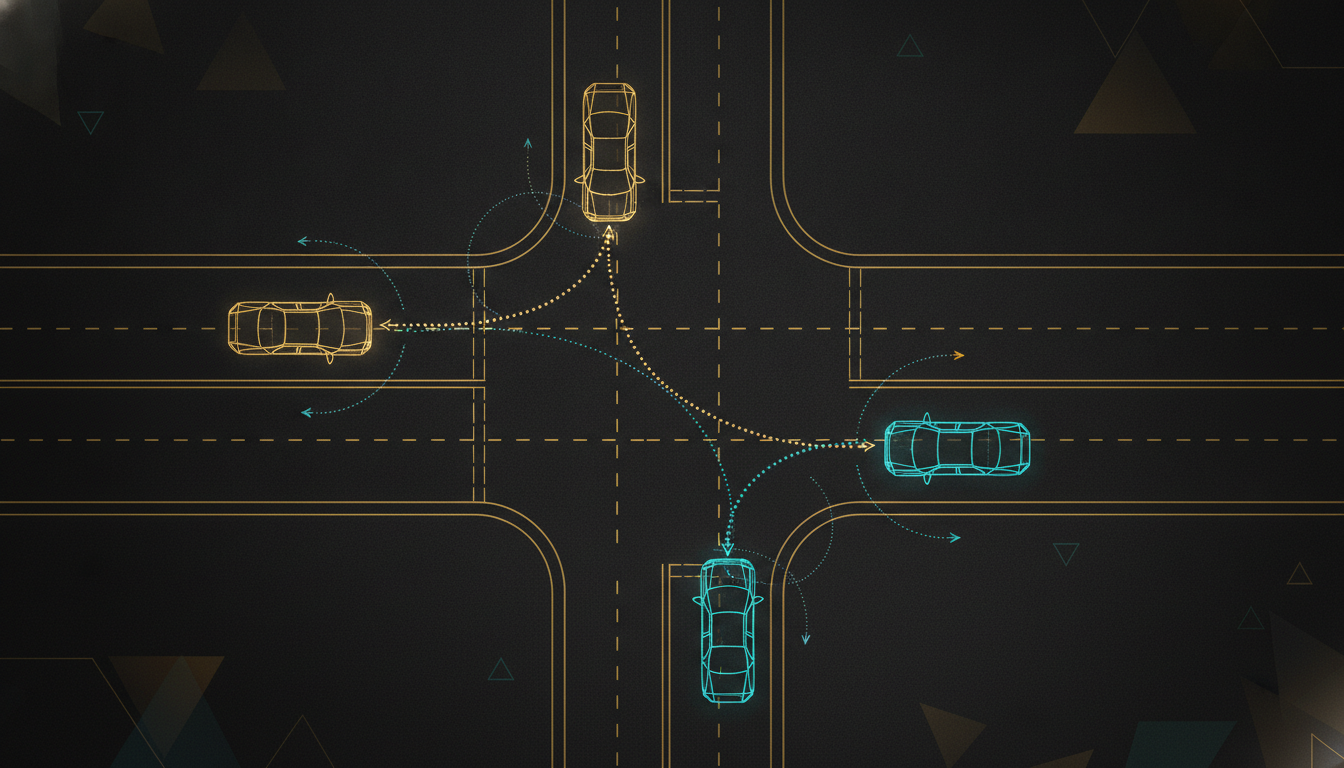
Accident reconstruction is the discipline of working out how a crash happened: positions, trajectories, impact point, sequence and probable cause. In Colombia, more than 60% of vehicles have no voluntary insurance, and their owners need a solid technical opinion before settling or going to court. That opinion is the core of what IRS VIAL delivers.
The firm had two decades of reconstruction work behind it and a large archive of reports in paper and Word. An earlier mobile app had been withdrawn for low adoption. The forensic work itself (receiving evidence, analyzing it, classifying the cause, drafting the Technical-Legal Concept, known as the CTJ, and signing it) happened outside any system.
The challenges, as they appeared in the brief:
- A forensic workflow with no system: no case status, no work queue and no standard deliverable.
- No digital legal validity: no electronic signature and no chain of custody to defend a report before an insurer or a judge.
- Two decades of reports in paper and Word, and a mobile app withdrawn for low adoption.
- Strict regulation: NTC 3701 causality, Resolution 11268 hypotheses and Law 1581 of 2012 on data protection, all of which had to be modeled rather than improvised.
Why generic case management and e-signature tools didn't fit
A typical practice-management tool tracks cases and files. A typical e-signature tool signs PDFs. Neither understands what makes a forensic report defensible.
For IRS VIAL, the deliverable has to follow a regulated structure (NTC 3701 causality tables and Resolution 11268 hypotheses), every piece of evidence has to be provably unaltered from upload to signature, and the signed PDF has to be legally valid in Colombia. The AI, if used at all, must never invent facts about a crash, because the report may end up in front of an insurer, a lawyer or a judge. Those requirements touch the data model, the storage layer, the signing pipeline and the prompts at the same time, so we treated them as one system. Like other professional services firms we work with, IRS VIAL needed its expertise encoded in software, not just stored in it.
What we built: forensic accident reconstruction software, end to end
IRS Móvil is an end-to-end forensic platform with eight systems in production. A case moves from client intake to expert analysis to the director's digital signature and delivery, and every piece of evidence is sealed along the way. The work combines our web and app development and AI and automation practices.
Client portal with a 6-step case wizard
Clients get a digital garage for their vehicles, drivers and documents (SOAT insurance, inspections and policies). A 6-step wizard opens the case, with OCR on the SOAT, voice-recorded statements with AI transcription and consent, and a prepaid credit wallet. The client side works on the phone, which is where accidents happen.
Forensic expert workflow and CTJ editor
Experts work from a case queue. The CTJ editor lets them edit accident, vehicle and driver data, add third-party statements, request additional evidence and rely on autosave. AI proposes the sequence and hypothesis with each claim linked to its evidence, and the expert accepts, edits or regenerates.
Hybrid sketch editor
The expert composes the accident scene from a curated symbol catalog over satellite imagery. AI seeds the vehicle positions from what the case states, never more, and a second model verifies every generated sketch.
Director review and PAdES signature
The director approves the report or returns it to the expert, then signs with a Certicámara certificate and an institutional seal that the client manages without code. Reports are signed in PAdES format with the full CA chain. If the certificate fails, the system falls back to a hash-based electronic signature so delivery never breaks.
A forensic AI assistant with ten touchpoints
Gemini 2.5 supports the expert at ten points: photo quality, transcription, narrative analysis, draft report, accident sequence, NTC 3701 conclusion, photo descriptions and the sketch. Prompts are built from the real case (the exact vehicle roster, damage and hypotheses) with hard "no invention" constraints and per-case cost caps. The expert edits, the director signs, and the AI never closes a case.
A chain of custody anyone can check
Every file and audio recording is hashed with SHA-256 and locked by database triggers, which makes it immutable. A public token is generated when the case is submitted, and the public /verificar route lets insurers, lawyers or judges validate a report and download the custody package without an account.
Payments and backoffice
Bold payments credit the client wallet. A service marketplace offers services such as IVAT and reconstruction, alongside exportable reports, configurable notifications and an editable CMS for the landing page and login.
Under the hood
IRS Móvil is not a website. It is a forensic system with a regulation-shaped data model, business rules that carry legal weight, custody cryptography and domain AI. It runs on 31 Postgres tables (30 with row-level security), 52 row-level security policies, 33 database triggers, 31 SQL functions and 61 server-action modules.
Two decisions are worth calling out. First, the legal PDF: two synchronized renderers (the signed PDF and an HTML preview) keep justified text, NTC 3701 tables and photos consistent, with photos resized so the signed report stays within storage limits. Second, large evidence: photos, audio and site plans upload straight from the browser to storage through signed URLs, past the 4.5 MB serverless limit, and are then validated by magic bytes and sealed with their custody hash on the server.
We built it with Hybrid AI Coding: a senior WebMinds engineer directs AI agents (Claude Code) that implement, and an independent QA agent reviews every change before production. That is how 233 commits and 74 migrations shipped in about four months, across 37 deploy days.
Working on a regulated process that still lives in Word and WhatsApp? Get a free assessment and we will tell you where software can carry the legal weight.
Timeline
- June 9, 2026: project kickoff with Next.js, Tailwind and the design system.
- June 10, 2026: database with row-level security, NTC 3701 catalog, roles and dashboards.
- June 16, 2026: full client flow with the 6-step wizard, wallet, cases and public verification.
- July 2026: expert workflow, CTJ editor and director PAdES signature, end to end.
- August 2026: hybrid sketch editor, OCR, Bold payments and reports.
- September 2026: Certicámara signature in production, configurable notifications and direct-to-storage uploads.
- Next: certificate activation, pilot data cleanup and end-to-end verification tests.
Results
A 19-year forensic practice, now software
IRS VIAL went from Word documents and WhatsApp to a platform that takes an accident from the scene to a digitally signed report with legal validity and a chain of custody third parties can verify.
Domain AI, humans in control
Ten AI touchpoints speed up the expert (photo review, transcription, drafting, sequence, NTC 3701 classification and sketches) with anti-hallucination guards, and the expert and director are always in charge.
The client runs it without code
Digital signature, pricing, services, notifications and even the landing and login content are managed from the backoffice. We handed over autonomy, not dependency. The full breakdown, with screens, is in the IRS VIAL case study.
FAQ
What does forensic accident reconstruction software actually do?
It manages the whole life of a reconstruction case: intake, evidence, analysis, the written technical opinion and its signature. In IRS Móvil that means a client wizard, an expert editor for the CTJ, a sketch editor over satellite imagery, a director signature step and a public verification page.
Is a digitally signed accident report legally valid in Colombia?
IRS Móvil signs reports in PAdES format with a Certicámara certificate, which gives them full legal validity under Law 527 of 1999. If the certificate fails, a hash-based electronic signature keeps delivery running.
Can AI write a forensic report on its own?
Not in this system. AI drafts and suggests at ten points, but prompts are built only from the case data with "no invention" rules, a second model checks every sketch, the expert edits and the director signs. The AI never closes a case.
How can an insurer or a judge check that evidence was not altered?
Every file is sealed with a SHA-256 hash and made immutable by database triggers. Through the public /verificar route, a third party can validate the report and download the custody package without needing an account.
Do you build this kind of platform outside Colombia?
Yes. WebMinds is an AI and software development company based in Atlanta, Georgia, that works with companies in the US and Latin America. A related example is the Loski coffee traceability platform, which uses the same idea of SHA-256 sealed, verifiable records.
Turn your expertise into a defensible system
IRS VIAL's know-how is now a platform that produces signed, verifiable reports. Read the complete IRS Móvil case study, or see how we automated another professional services firm in the SWAP Translators AI quoting case.
Get your free assessment or book a call to talk through your workflow.